





01
Written scope and price
Once the scope and selections are agreed in writing, the agreed work is not repriced without a documented change. Owner-requested changes and concealed conditions are explained before changed work proceeds.
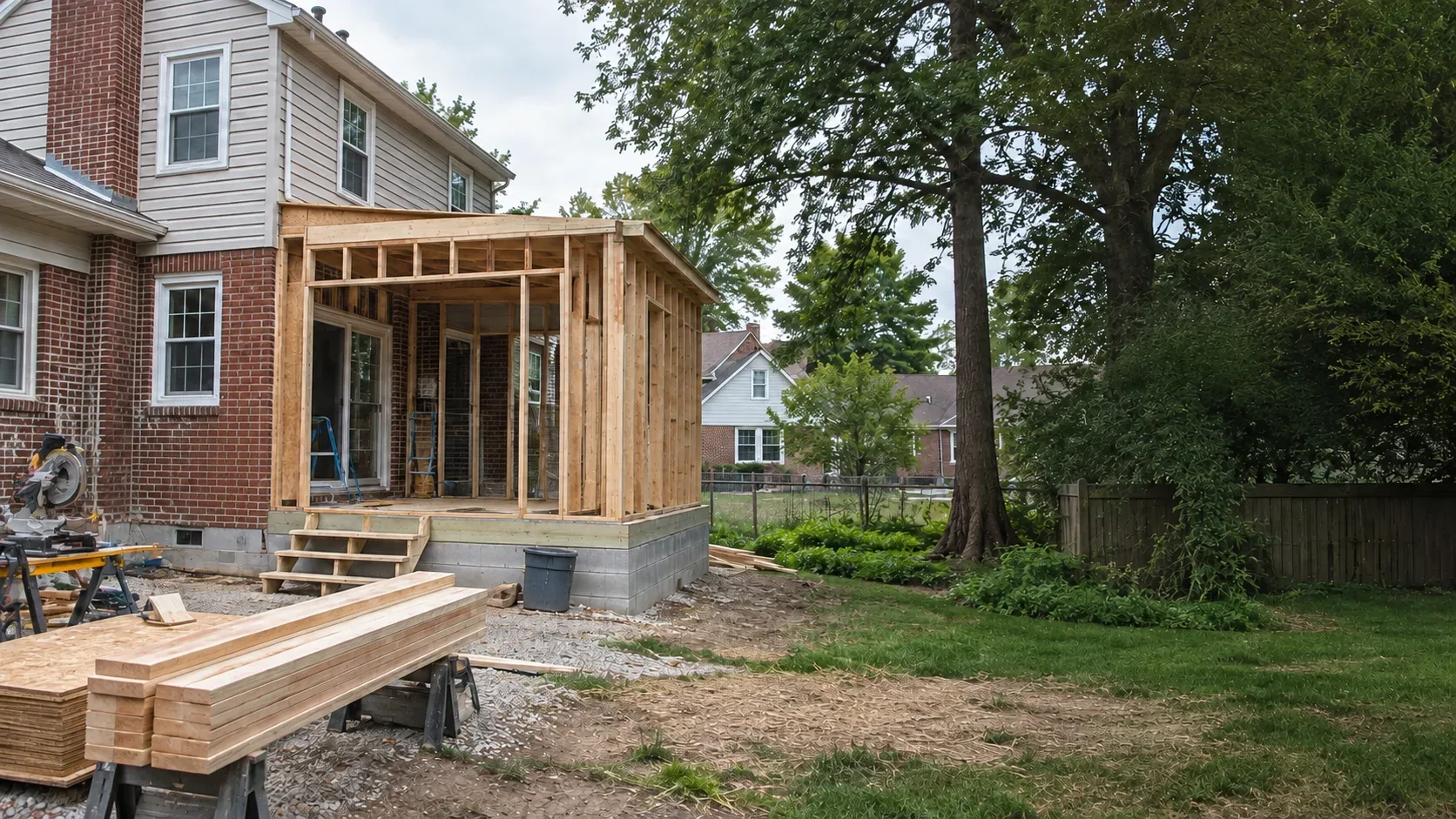
Cincinnati, OH and Greater Cincinnati
Cincinnati Elite General Contractors helps Cincinnati homeowners and businesses plan a remodel or new build. We make the work, likely cost, permits and next steps clear before work starts.
Project planner
Question 1 of 5
Your likely project type
Recommended next step:
Your planner answers
Next step
We’ll attach your planner answers so you do not have to repeat them.
Project planner
Question 1 of 5
Your likely project type
Recommended next step:
Your planner answers
Next step
We’ll attach your planner answers so you do not have to repeat them.
How we work
We define the scope, identify existing conditions, set budget assumptions and schedule the trades before work starts.
Project clarity
The goal is not to make a big promise from a vague estimate. It is to make the work, price assumptions, product coverage and change process clear before construction starts.
01
Once the scope and selections are agreed in writing, the agreed work is not repriced without a documented change. Owner-requested changes and concealed conditions are explained before changed work proceeds.
02
When a product includes a manufacturer warranty, keep its product information, registration details and terms. Manufacturer coverage belongs to the product; any workmanship responsibility should be stated separately in the project agreement.
03
We protect access areas, document changes and carry insurance for the work we perform. If property is damaged, the issue is documented and handled under the project agreement and applicable coverage.
04
At handover, keep the final scope, approved changes, inspection records, product information, care instructions and the right contact for any follow-up.
Planning ranges are starting points, not quotes. Final scope, selections, property conditions, approvals and written assumptions control the real project price.
Planning guide
Choose the closest project scope to see an early planning range. This is not a quote.
Build the project scope
Select the choices closest to the work. Each one changes the planning range and the breakdown below.
Estimated GC / CM fee. Not a quote.
$25,000–$38,000
Planning breakdown
Representative midpoint by scope component
How to read the range
A property review turns this range into a project-specific scope. The written scope, selections, allowances and exclusions are what make the final number comparable.
If an owner change or concealed condition affects cost or timing, it should be described in writing and approved before changed work proceeds.
The estimate explains what is included, what is excluded and which decisions need to be made before work starts. Agreed work is not repriced without a documented change.
When products include manufacturer warranties, product information and applicable terms stay with the project record. Workmanship responsibility belongs in the written agreement.
When a project needs drawings, permits or inspections, we identify the jurisdiction and likely sequence early so the schedule is built around real constraints.
Where we work
Every address has its own permitting path, property conditions and project constraints. Choose your community to see the local planning questions that matter before work starts.
Community photographs via Wikimedia Commons. Mason, West Chester and Anderson Township use public-domain photographs; Blue Ash and Loveland use Creative Commons photographs with attribution on each location page. Photography is for context; the project scope still starts with the property.


A general contractor manages the agreed scope, schedule, trade partners, materials, site protection and included permit or inspection steps. The contract should state exactly who handles each item.
Kitchen, bathroom and basement remodeling, remodeling that reaches across several rooms, home additions, new construction and commercial construction, plus general contracting and construction management for projects that need a coordinated plan. Each has its own page with details.
Preconstruction covers the lot or existing home, drawings, scope, budget assumptions, trades and approvals. Construction starts after the scope and responsibilities are clear.
No. It gives an early planning range, not a quote. A real price depends on the property, scope, existing conditions, selections, access, approvals and written assumptions.
The contract should state who prepares permit applications and requests inspections. Requirements vary by property and scope, so the local building department is the official source.
Often. Projects can be phased when the budget, site access, occupancy, materials or approvals make one construction sequence impractical.
The agreement should identify the work, materials or allowances, exclusions, payment stages, schedule assumptions, permit responsibilities, cleanup and the process for changes. A single total without those details is difficult to compare or protect.
A change should be described in writing before the added work begins: what changed, why it changed, the price effect and the schedule effect. Concealed conditions and owner-requested changes are handled separately from the agreed scope.
For products that include a manufacturer warranty, keep the product name, model, registration instructions and applicable terms. The manufacturer sets that coverage. The contract should separately state any workmanship responsibility and how a problem is reported.
Walls, framing, wiring, plumbing, moisture and site conditions are not fully visible before demolition. The responsible next step is to document the condition, explain the options, update the cost or schedule in writing and get approval before proceeding with changed work.
Compare the scope line by line: demolition, structural work, rough-ins, finishes, allowances, permits, inspections, disposal, protection of occupied areas, cleanup, closeout and changes. The lowest headline number is not comparable if it leaves out different work.
The proposal should address access, dust control, floor and furniture protection, daily cleanup, temporary utilities, working hours and how damage is documented. Cincinnati Elite General Contractors is insured for the work it performs, and the project agreement should explain how any damage is reported and handled.
Ready for the next decision?
Send the property details, project type and timing. We will tell you the next step.
Start the conversation →